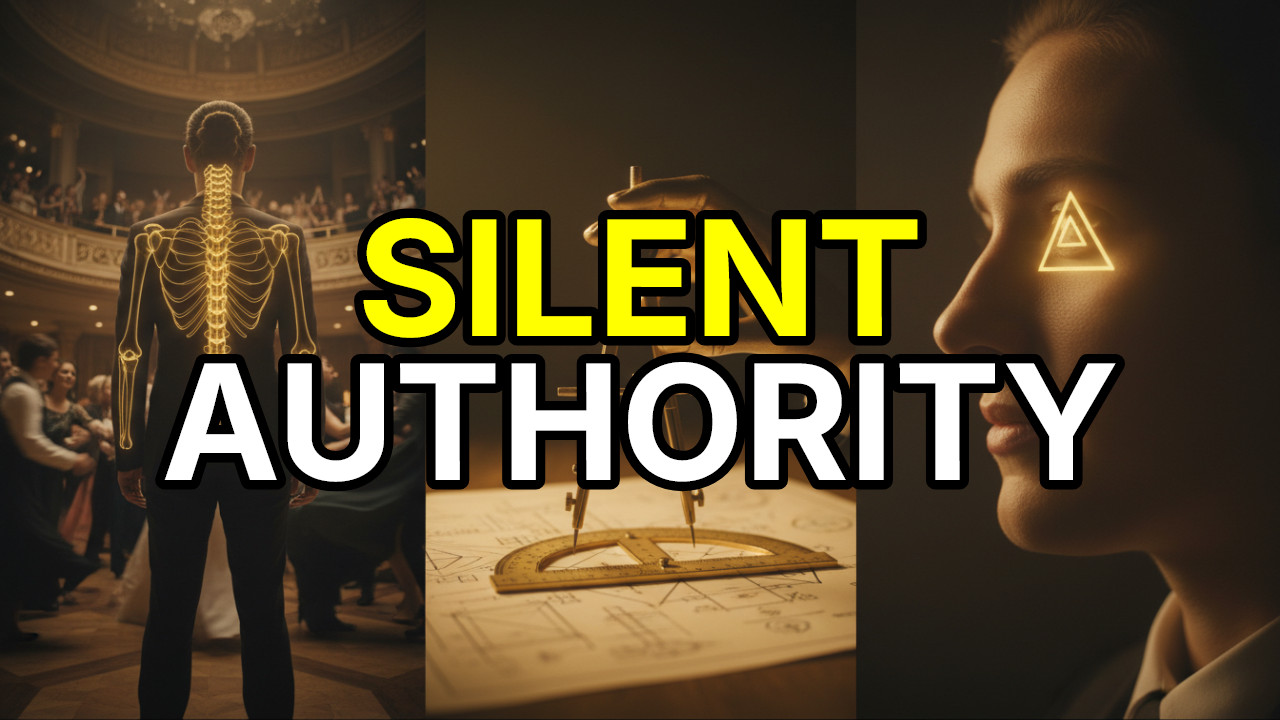
True power is never loud; it is felt the moment you enter a room. While most people mistake volume for influence, the real secret lies in your non-verbal architecture. Whether you are entering a high-stakes negotiation or a social gathering, the way you occupy space determines how you are treated.
Have you ever noticed how some individuals naturally dominate a space without saying a single word? It is not about height, expensive clothing, or loud declarations. It is about the geometry of status. By mastering specific physical pillars, you can transform how others perceive your value and authority instantly.
Below, we deconstruct the body language of the world’s most elite individuals to show you how to command absolute respect.
The Geometry of Status: Mastering Your Presence
The average person inadvertently sabotages their presence through micro-gestures of insecurity. Slumping, fidgeting, and breaking eye contact are biological signals of low status. These habits tell the world you are seeking permission rather than leading. To be treated like a VIP, you must first stop acting like a nervous spectator.
1. The Art of Standing: Stability and Grounding
When standing, your body must reflect stability. A VIP does not sway, lean, or shrink. To project authority:
- Widen your base: Keep your feet shoulder-width apart and distribute your weight evenly.
- The Vertical String: Imagine a string pulling the crown of your head toward the ceiling. This creates maximum vertical space.
- The Result: This posture signals that you are grounded, unmovable, and ready to handle any high-pressure situation encountered.
2. High-Status Sitting: Controlled Comfort
High-status sitting is about controlled comfort. The mistake many make is either collapsing into a chair (laziness) or crossing limbs tightly (defensiveness).
- Occupy your space: Never shrink. Keep your spine straight but relaxed.
- Open architecture: Rest your arms on the supports or the table. This open posture demonstrates a lack of perceived threat and signals high levels of internal confidence.
3. The Exit: Leaving a Lasting Impression
Leaving a room is just as critical as entering it. Many people rush their exit, looking back over their shoulder as if apologizing for leaving.
- Don’t rush: Maintain your posture until you are completely out of sight.
- Don’t look back: A deliberate, steady departure leaves a lasting impression of professionalism and ensures that your presence is missed immediately.
Speed is the Enemy of Status
One of the most profound secrets of VIP body language is the manipulation of time. VIPs move with a deliberate, measured pace that suggests they own the time of everyone in the room.
When you gesture or turn your head, do it slowly. Jerky, rapid movements signal anxiety and a “fight or flight” response. Slow movement creates an aura of calm authority, forcing others to adjust their tempo to yours.
Real-World Examples: VIP Presence in Action
To visualize this, compare two scenarios:
- The Amateur: Enters a meeting room checking their phone, shoulders hunched. They sit with legs crossed tightly, tapping a pen. When asked a question, they answer quickly and nod excessively. Result: They are viewed as a subordinate.
- The VIP: Enters with head high, making eye contact before speaking. They sit slowly, claiming the armrests. When they leave, they stand up fully before turning toward the door, walking at a consistent pace without checking behind them. Result: They are viewed as a leader.
Common Challenges & How to Fix Them
Even experienced professionals struggle with subconscious habits. Here is how to fix the most common “status leaks.”
| Common Challenge | The “Low Status” Signal | The VIP Fix |
|---|---|---|
| The Fig Leaf | Standing with hands clasped in front of the groin implies vulnerability. | Hands by sides or gesturing openly to expose the torso. |
| The Head Tilt | Tilting the head while listening signals submission and a desire to please. | Keep the chin parallel to the floor while maintaining eye contact. |
| Fidgeting | Tapping feet or playing with objects signals nervous energy. | Radical stillness. Only move with intent. |
Step-by-Step Guide: Your Daily Practice
Mastery of your physical self is the ultimate shortcut to social influence. Practice this sequence daily:
- Reset your width: Before entering a room, check that your feet are shoulder-width apart.
- Lengthen the spine: Visualize the string pulling you upward.
- Slow down: Count to two before turning your head or answering a question.
- Claim space: When sitting, ensure your elbows are out, not tucked against your ribs.
- Exit deliberately: Pick a point outside the room and walk toward it without breaking stride.
Frequently Asked Questions (FAQ)
Q: Will standing like this make me look arrogant? A: No. Arrogance is usually loud, aggressive, and invasive. High-status posture is calm, open, and stable. It signals competence, not aggression.
Q: What if I feel nervous inside? A: This is where “fake it ’til you make it” applies biologically. Adopting a high-status posture actually reduces cortisol (stress hormone) and increases testosterone (confidence hormone). By acting the part, your brain will follow.
Q: Does this apply to virtual meetings (Zoom)? A: Absolutely. Sit squarely in the frame, do not hunch toward the camera, and keep your movements slow. The “Geometry of Status” applies even through a lens.
Final Verdict
You do not need a title to command a room; you simply need to control your geometry. When you sit, stand, and leave with intention, you shift the power dynamic in every interaction.
The average person enters a room hoping to fit in; the VIP enters the room knowing they belong. Practice these secrets daily until they become your natural state.
Welcome to the world of high-status living; the room is yours.